
A squat wedge block is a simple training aid used to elevate the heels during squats. While the idea itself is straightforward, its effect on squat mechanics can be significant when applied correctly. Many lifters struggle with depth, balance, or forward lean, often due to limited ankle mobility. A this squat wedge changes the ankle angle just enough to make these positions more accessible.
What a Squat Wedge Block Is Designed to Do
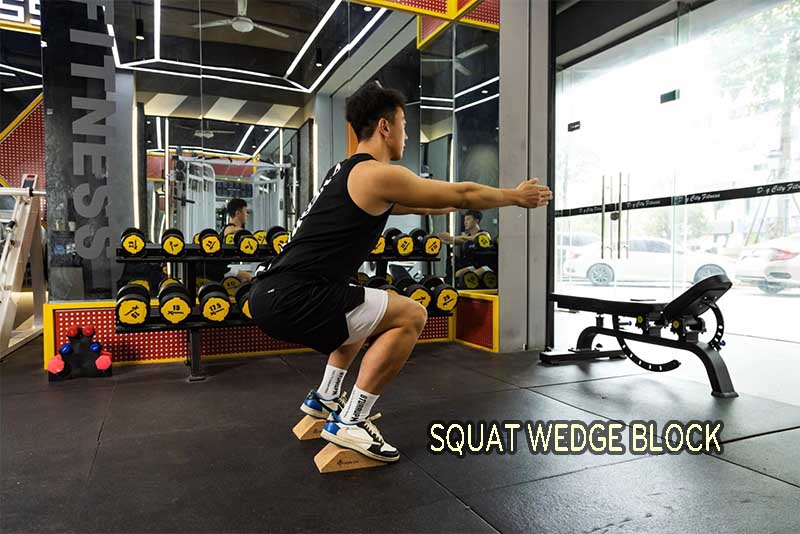
A squat wedge block is a compact, angled block placed under the heels during squatting movements. Its primary purpose is to reduce the amount of ankle dorsiflexion required to reach proper squat depth.
When ankle mobility is limited, the body compensates in predictable ways, such as lifting the heels, leaning forward excessively, or losing balance near the bottom. By elevating the heels slightly, a this wedge block allows the knees to travel forward more comfortably, helping the torso remain more upright.
This does not correct mobility limitations on its own, but it allows lifters to squat with better mechanics while addressing those limitations separately.
Why Heel Elevation Changes Squat Mechanics
Heel elevation directly affects how force is distributed through the ankle, knee, and hip. For lifters with restricted ankle movement, squatting flat-footed can feel unstable or forced.
A squat wedge block helps by shifting the center of mass slightly forward, which reduces the demand placed on the ankle joint. This often results in smoother descent, better balance, and improved control at depth.
Common Technique Improvements
-
Easier access to full depth
-
Reduced forward torso lean
-
More stable bottom position
These changes can make squatting feel more natural, especially during technique-focused sessions.
Squat Wedge Block Compared With Other Heel Elevation Tools
There are several tools lifters use to elevate the heels during squats, each with different trade-offs.
A squat wedge often provides a wider surface area and is commonly used for squatting only. A squat wedge block is usually smaller and easier to integrate into warm-ups or lighter sets.
Some athletes prefer mobility tools like a slant board or incline board outside of squatting sessions to work on ankle range of motion directly. These tools are typically used for longer holds rather than loaded movements.
For calf-focused work, a calf stretcher or calf muscle stretcher may be more appropriate, as they allow targeted stretching without load. When durability and stability are priorities, many people choose a wooden slant board for consistent ankle and calf mobility work.
Each tool serves a different role, and a squat wedge block is most effective when used alongside, not instead of, these options.
When Using a Squat Wedge Block Makes Sense
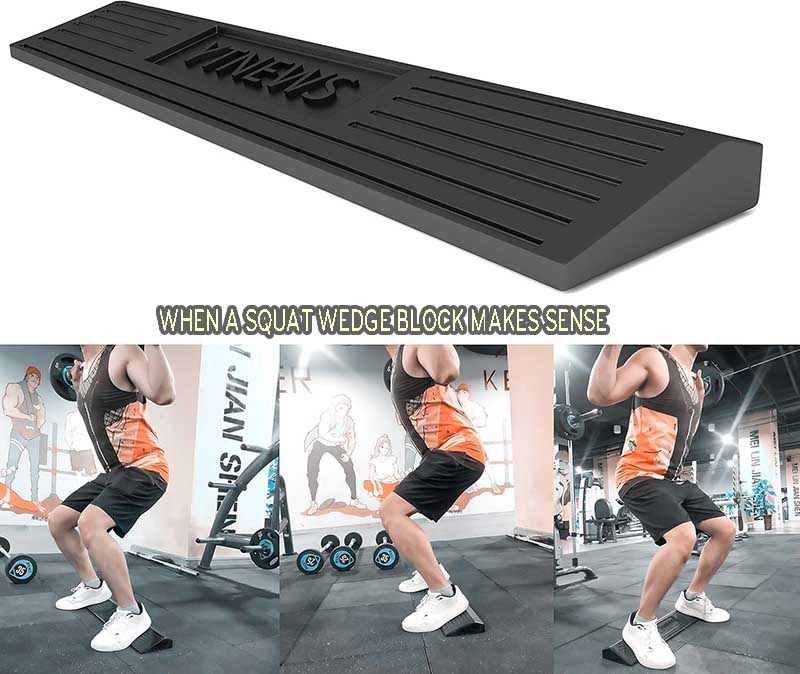
A squat wedge block is most useful when ankle mobility limits squat quality rather than strength.
Situations where it often helps include:
-
Difficulty reaching depth despite adequate strength
-
Heels lifting unintentionally during squats
-
Loss of balance near the bottom position
-
Technique breakdown during warm-ups
Many lifters use a the block early in a session and then remove it as movement quality improves.
Stability and Safety Considerations
Because a squat wedge block sits between the feet and the floor, stability is essential. Any shifting or slipping can compromise balance and increase injury risk.
A reliable setup should:
-
Sit flat on the ground
-
Support both heels evenly
-
Provide enough grip to prevent movement
Testing the block with bodyweight squats before adding load is always recommended.
Using a Squat Wedge Block Without Creating Dependence
One concern with heel elevation tools is over-reliance. A squat wedge block should support better movement, not replace mobility development.
Practical Progression Strategy
-
Use the block during warm-ups
-
Reduce reliance during working sets
-
Pair use with ankle and calf mobility work
Over time, many lifters find they need less heel elevation as mobility improves.
How a Squat Wedge Block Fits Into Long-Term Training
In long-term programming, a squat wedge block works best as a temporary or situational tool. It can help maintain training consistency when mobility fluctuates due to fatigue, travel, or changes in workload.
Some athletes cycle its use, incorporating it during technique phases and removing it during strength-focused blocks. This flexible approach prevents dependency while still allowing productive training.
Common Mistakes to Avoid
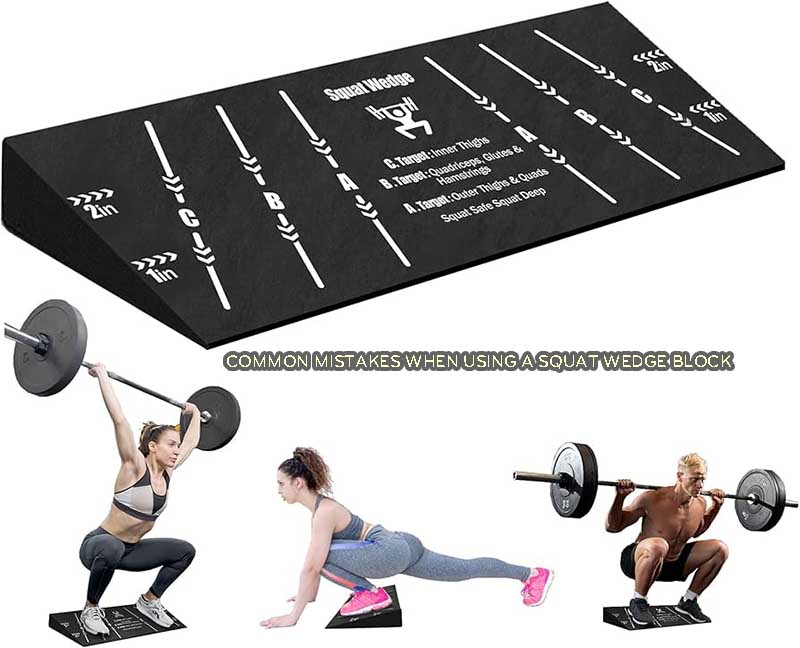
Misusing a squat wedge block can limit its benefits.
Common mistakes include:
-
Choosing an angle that is too aggressive
-
Relying on heel elevation instead of improving mobility
-
Placing only part of the heel on the block
-
Using unstable or poorly designed blocks
The goal is always improved movement quality, not convenience alone.
Who Benefits Most From a Squat Wedge Block
A squat wedge block can be useful for a wide range of lifters.
It is especially helpful for:
-
Beginners learning proper squat mechanics
-
Lifters returning from time away from training
-
Athletes with temporary ankle restrictions
-
Anyone struggling with balance at depth
Even experienced lifters may use it during specific phases without making it a permanent tool.
Final Thoughts
A squat wedge block is a simple but effective way to improve squat depth, balance, and control when ankle mobility is a limiting factor. When used intentionally and paired with proper mobility work, it supports better squat mechanics without creating long-term dependence.
The key is understanding when to use it, when to reduce reliance, and how it fits into a broader training and mobility approach.
