Incline Board: Uses, Angles, and How It Compares to a Slant Board
An incline board is a simple angled platform used for mobility, stretching, and training preparation. Many people look for an incline board when they want to improve ankle range of motion, stretch tight calves more consistently, or make squat positions feel smoother.
The confusing part is that “incline board” and “slant board” often refer to very similar tools. The name usually depends on where the tool is used and how people talk about it. This page explains what an incline board is, what it is used for, what angle makes sense, and how to choose a safe and stable option.
What Is an Incline Board
An incline board is an angled surface that positions your foot on a slope. This changes the ankle angle and encourages dorsiflexion, which is the movement where the shin moves forward over the foot.
Incline boards are commonly used for:
-
calf stretching
-
ankle mobility drills
-
warm-ups before lower-body training
-
movement preparation and rehab style routines
-
heel elevation for certain squat variations
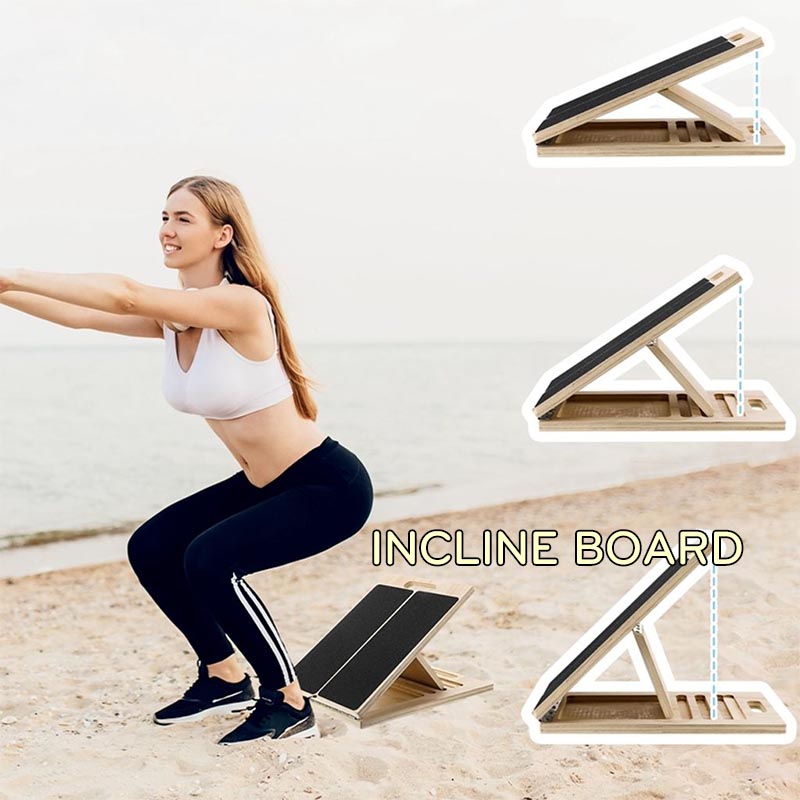
Some incline boards are fixed angle. Others are adjustable so you can choose different incline levels.
Incline Board vs Slant Board
In many cases, an incline board and a slant board are the same type of tool. The difference is usually terminology and context.
Why people say incline board
“Incline board” is often used in contexts like:
-
physical therapy and rehab
-
balance or stability work
-
general mobility routines
Why people say slant board
“Slant board” is often used in contexts like:
-
strength training and gym use
-
squats and lower-body training content
-
calf stretching routines in fitness communities
If you are deciding between them, focus less on the name and more on the features. Angle, stability, grip, and size matter more than the label.
What an Incline Board Is Used For
Calf stretching
One of the most common uses is calf stretching. A consistent incline makes stretching easier to repeat and easier to control. For many people, the biggest benefit is not a special technique. It is simply having a setup that makes daily stretching easier to stick to.
Two positions are especially useful:
-
straight knee hold for the upper calf
-
slightly bent knee hold for deeper calf tissue
You do not need complicated variations. Consistent holds with good form are enough for most people.
Ankle mobility drills
Incline boards can support ankle mobility drills because they guide the ankle into a controlled range. A simple drill is to stand on the incline and do slow ankle rocks while keeping the heel down and the foot stable. The goal is smooth movement, not forcing an extreme range.
Squat setup support
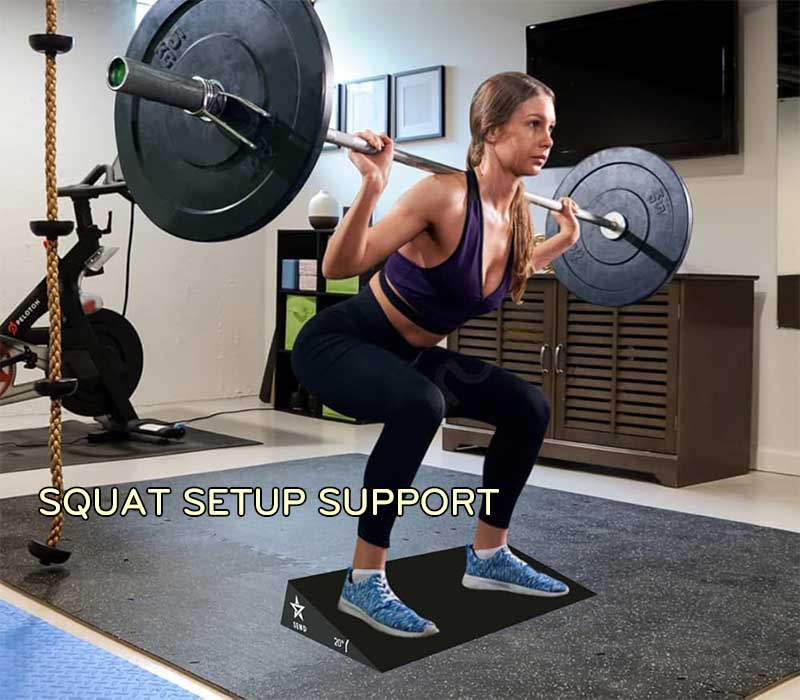
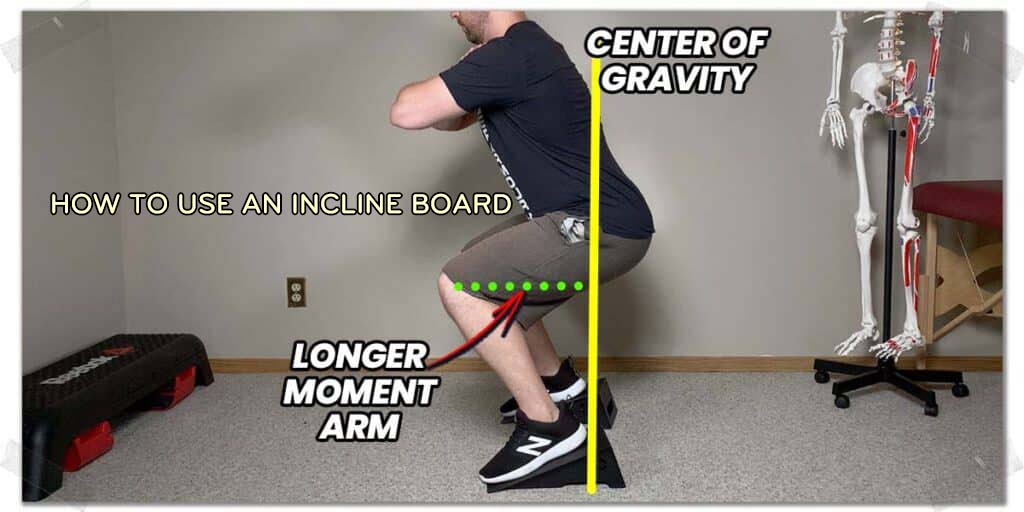
Some lifters place the heels on an incline board to make squats feel more upright and stable. Heel elevation can help when ankles are the limiting factor for depth or balance.
If your goal is primarily squatting, a dedicated squat wedge is often more convenient. If your goal is broader mobility and stretching, an incline board style platform can be more versatile.
Warm-ups and movement preparation
Before training, a short incline board warm-up can help calves and ankles feel more ready. Many people do better with a routine that is short and repeatable rather than long and complicated.
A simple warm-up idea:
-
a light calf hold
-
a few controlled ankle rocks
-
slow bodyweight squats focusing on foot stability
Rehab and controlled progression
In rehab settings, incline boards are sometimes used to introduce controlled ankle positions and gentle loading. If you have pain or a history of Achilles irritation, progress gradually and keep intensity comfortable.
Best Incline Board Angle
Angle controls intensity. Steeper is not always better. The best angle is the one you can use consistently with good form.
Common angle ranges
-
Low incline, around 10 to 15 degrees
Good for beginners, warm-ups, and daily stretching that feels sustainable. -
Moderate incline, around 16 to 25 degrees
A common range for noticeable stretching and mobility work. Many people find this range effective without feeling too aggressive. -
Higher incline, above 25 degrees
This can feel intense quickly. Some people tolerate it well, others feel discomfort near the Achilles or find it hard to keep the heel down.
A simple way to choose your angle
Choose an incline where you can:
-
keep the heel down
-
keep the foot stable without rolling inward
-
breathe calmly through the hold
If you cannot do those three things, reduce the angle.
How to Use an Incline Board Safely
Keep the foot stable
Avoid rolling inward and avoid letting the heel lift. If the heel lifts, the setup is too steep or your position needs adjustment.
Use steady holds, not bouncing
For stretching, bouncing is rarely necessary. A controlled hold is usually safer and easier to repeat.
A basic structure:
-
30 to 45 seconds per hold
-
2 to 4 sets per leg
-
4 to 6 days per week
Progress gradually
Increase one variable at a time:
-
add time to the hold
-
add a set
-
increase angle slightly only when the current angle feels controlled
This keeps the routine sustainable.
How to Choose the Right Incline Board
Stability and grip
The board should not slide on the floor and your foot should not slide on the surface. Grip matters for both safety and comfort.
Surface size
A larger surface is usually easier to use, especially if you plan to do longer holds or mobility drills. Small platforms can work, but they can feel cramped depending on foot size.
Fixed vs adjustable
Fixed angle boards are simple and often durable. Adjustable boards can be helpful if:
-
you want gradual progression
-
multiple people will use the same board
-
you want one tool for both stretching and training preparation
Material choice
Materials vary. Some people prefer wood for a stable feel. Others prefer lighter materials for portability. The important part is stability, grip, and build quality.
Common Mistakes to Avoid
Choosing an angle that is too steep
If the angle is too steep, the heel lifts or you feel sharp discomfort. Lower the angle and rebuild control. A comfortable angle used often beats an intense angle used rarely.
Turning the toes out too much
A natural slight toe angle is fine. Extreme turnout can shift stress in an uncomfortable way. Stay neutral unless you have a specific reason to change stance.
Treating the incline board like a shortcut
An incline board supports mobility and training, but progress still comes from consistency. Use it as a tool that makes your routine easier to repeat.
Frequently Asked Questions
Is an incline board the same as a slant board
Often, yes. The terms are commonly used for very similar tools. Focus on design features rather than the label.
Can an incline board help squat depth
It can help if ankles are the main limiter. Heel elevation often makes the bottom position feel more stable for many people.
How often should I use an incline board
Short, frequent sessions work well for most people. Four to six days per week is a realistic target.
Final Thoughts
An incline board can make mobility work easier to repeat. If you choose a comfortable angle, keep the heel down, and do short sessions consistently, ankle movement often feels smoother over time. The biggest benefits come from stability, control, and habit. Build a routine you can stick to, progress gradually, and let small improvements add up week by week.