At SlantBoardPro, we focus on one simple goal: helping you move better, squat deeper, and train with confidence.
We are an independent educational resource dedicated to slant boards, squat wedges, and lower-body mobility tools that support ankle flexibility, calf stretching, and overall movement quality. Whether you are a lifter, athlete, coach, or someone working on mobility and recovery, our guides are designed to give you clear, practical, and unbiased information.
Instead of hype or aggressive sales language, we explain how these tools actually work, when they make sense to use, and how to choose the right option for your training needs.
What Is a Slant Board?
A slant board is a simple angled platform that elevates the heels or feet to create a controlled incline. This incline changes ankle positioning, increases dorsiflexion demand, and alters how the lower body moves during exercises and stretches.
Slant boards are commonly used for:
-
Improving squat depth
-
Supporting ankle mobility training
-
Stretching the calves and Achilles tendon
-
Rehabilitation and movement preparation

Although the design looks basic, the impact on movement mechanics can be significant when used correctly.
Slant Board vs Squat Wedge – What’s the Difference?
While many people use the terms interchangeably, a squat wedge is best understood as a specific use case of a slant board.
Squat Wedge Explained
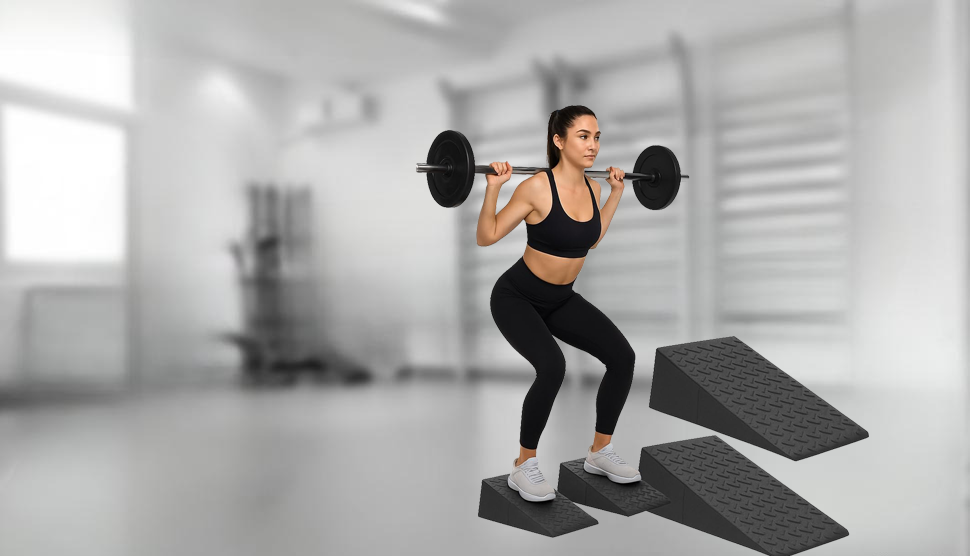
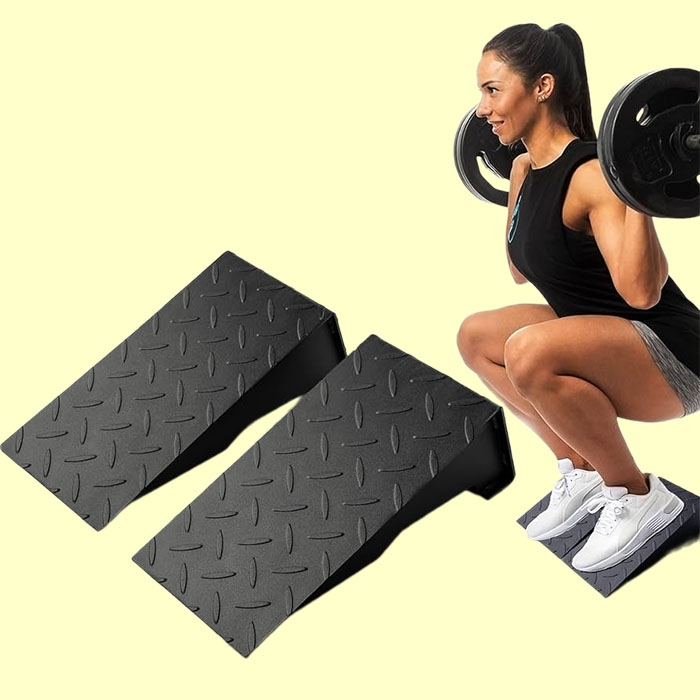
A squat wedge is typically placed under the heels during squats. By elevating the heels, squat wedges allow the knees to travel forward more easily, reducing ankle mobility limitations and helping the torso stay more upright.
This makes squat wedges popular among:
-
Olympic weightlifters
-
Powerlifters
-
Beginners learning squat mechanics
-
Athletes working around limited ankle mobility
How Slant Boards Fit In
A slant board can function as a squat wedge, but it also supports additional uses such as calf stretching, rehabilitation protocols, and general mobility work. In other words, all squat wedges are slant boards, but not all slant boards are used only as squat wedges.
Why Ankle Mobility Matters for Squats and Training
Limited ankle mobility is one of the most common reasons people struggle with squat depth, balance, and comfort.
When the ankles cannot move freely:
-
Heels lift off the floor
-
The torso leans excessively forward
-
Knees collapse inward
-
Squats feel unstable or uncomfortable
Using tools like a squat wedge or incline board can temporarily reduce these limitations while you work on long-term mobility improvements.
Using a Slant Board for Calf Stretching
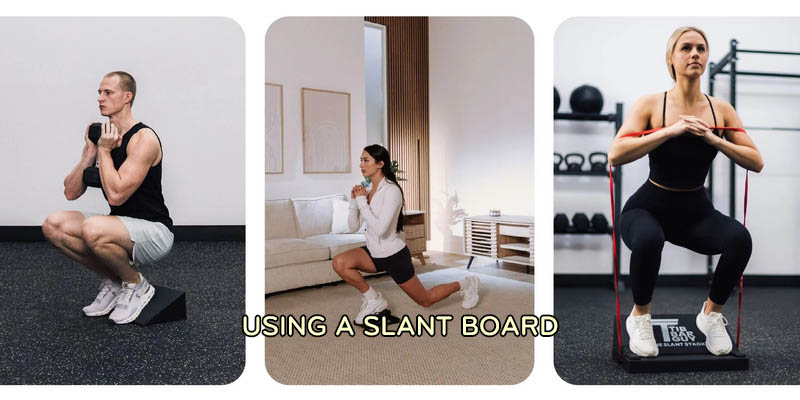
Beyond squatting, slant boards are widely used as calf stretchers.
Calf Stretcher Benefits
A calf stretcher allows you to stretch the calves in a controlled and repeatable way. Compared to wall stretches or improvised setups, a slant board:
-
Provides consistent ankle angles
-
Reduces strain on the knees
-
Allows hands-free stretching
-
Is easy to adjust or progress
Calf Muscle Stretcher vs Slant Board
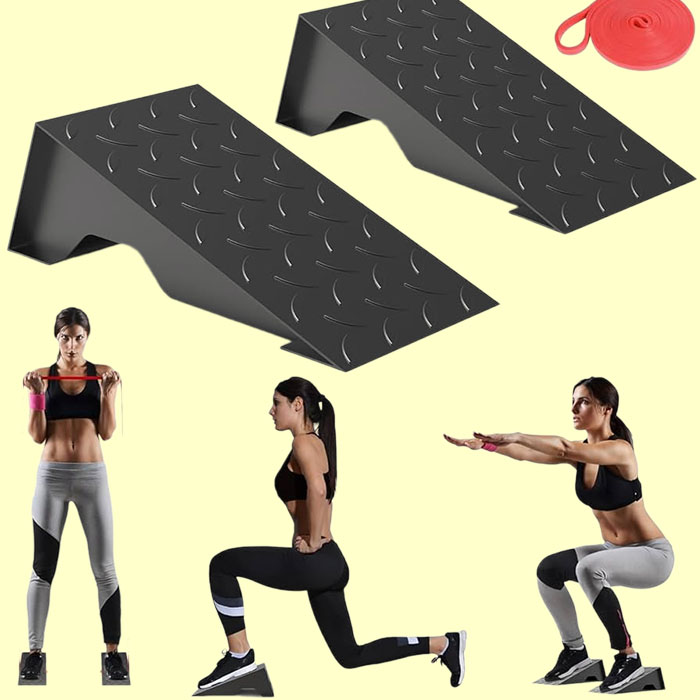
A calf muscle stretcher is often marketed as a standalone product, but in practice, most slant boards perform the same function with greater versatility. A single slant board can support calf stretching, squats, split squats, and mobility drills.
Incline Board Applications in Training and Rehab
An incline board is another term often used to describe angled platforms used in fitness and rehabilitation settings.
Incline Board vs Slant Board
In most cases, the difference between an incline board and a slant board comes down to terminology. Both tools influence ankle positioning and load distribution, making them useful for mobility work, balance training, and lower-body exercises.
Wooden Slant Board Options and Materials
A wooden slant board is a popular choice for users who prioritize durability and stability.
Why Choose a Wooden Slant Board?
A wooden slant board often offers:
-
Higher weight capacity
-
Increased stability under load
-
Long-term durability
However, wooden slant boards may be heavier and less portable than foam or plastic options. Choosing the right material depends on how and where you plan to use the board.

Who Can Benefit from Slant Boards and Squat Wedges?
Slant boards, squat wedges, and related tools can benefit:
-
Lifters improving squat technique
-
Athletes working on ankle mobility
-
Individuals rehabbing lower-body injuries
-
Coaches teaching movement fundamentals
Understanding why you are using a slant board or squat wedge is more important than simply following trends.
How We Create Our Guides at SlantBoardPro
Independent and Unbiased
SlantBoardPro is not a store. We focus on education, not selling products directly. When we reference tools like squat wedges, slant boards, or calf stretchers, it is always to explain their function and proper use.
Practical, Experience-Based Insights
Our content is built around real-world application, helping readers understand when tools such as an incline board or wooden slant board make sense.
Explore Our Core Guides
To learn more about each topic, explore our in-depth resources covering:
-
Slant Board fundamentals
-
Squat Wedge applications
-
Calf Stretcher and calf muscle stretcher techniques
-
Incline Board comparisons
-
Wooden Slant Board considerations
Train Smarter, Move Better
Tools like slant boards, squat wedges, and incline boards are not quick fixes, but when used correctly, they can support better movement, improved mobility, and more confident training.
At SlantBoardPro, our mission is to help you make informed decisions and build a stronger foundation for long-term movement quality.
RECENT NEWS
.
Squat Wedges
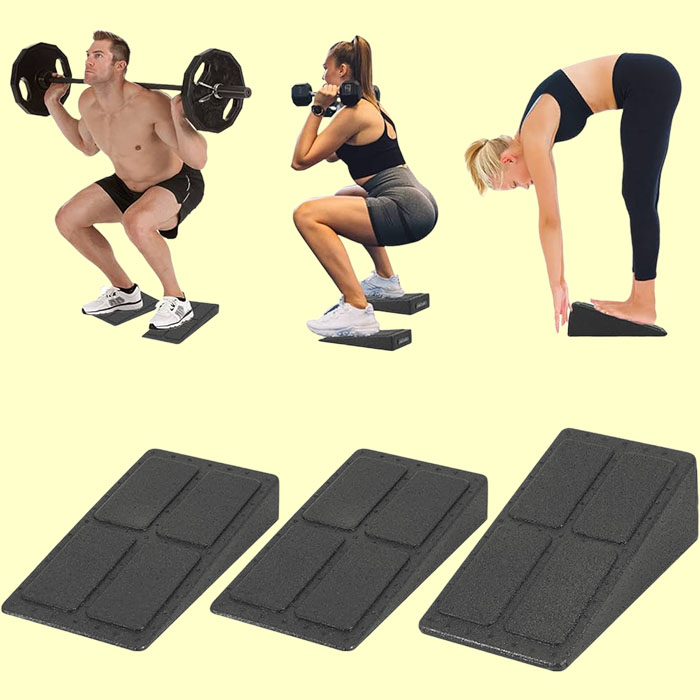
Simple heel elevation tools that help improve squat depth, balance, and lower-body mechanics.
SLANT BOARD
An angled platform used for calf stretching, ankle mobility, and controlled lower-body training support.
Incline Board vs Slant Board
A clear comparison to help you understand the differences and choose the right tool for your needs.