Calf Muscle Stretcher: Meaning, Best Positions, and How to Use It
A “calf muscle stretcher” usually refers to a simple tool or setup that helps you stretch the calf muscles in a controlled, repeatable way. Most people search this phrase when they feel tight calves, limited ankle mobility, or stiffness that makes squats, lunges, and even walking feel restricted.
The phrase can sound like a special product, but in practice it often means one of two things. It can mean an angled platform you stand on, or it can mean a specific stretching position that targets the calf muscles more effectively. This page explains what the term means, how to use it properly, and which positions make the biggest difference.
What Does “Calf Muscle Stretcher” Mean
In real-world use, “calf muscle stretcher” is typically used in two ways.
-
It describes a tool, usually an angled platform that puts your ankle into dorsiflexion so the calf tissues lengthen under a controlled stretch.
-
It describes a focus, stretching the calf muscles in a way that targets the tissue you need, not just “feeling something” in the ankle or foot.
In many cases, a calf muscle stretcher and a calf stretcher are essentially the same setup. The difference is mostly the wording, not the function. What matters more is your position, the angle you choose, and whether you can keep the heel planted comfortably.

The Two Calf Muscles You Should Know
Your calf is not one simple muscle. The two main parts behave differently depending on knee position.
Gastrocnemius, best with a straighter knee
The gastrocnemius crosses the knee joint, so it usually stretches more when the knee is straighter. This stretch often feels higher in the calf.
Use this focus if you want:
-
a strong upper-calf stretch
-
support for ankle mobility in walking and running patterns
-
a clear stretch line without bending the knee much
Soleus, best with a slightly bent knee
The soleus sits deeper and is often better targeted with the knee slightly bent. This position can be important for squat mechanics because squatting involves forward knee travel.
Use this focus if you want:
-
a deeper calf stretch closer to the Achilles area
-
support for squat depth when ankles feel blocked
-
improved comfort in knee-forward positions
A simple rule is to do both. Straight knee first, then a gentle bent knee version.
Best Positions for a Calf Muscle Stretcher
You do not need complicated variations. These two positions cover most needs.
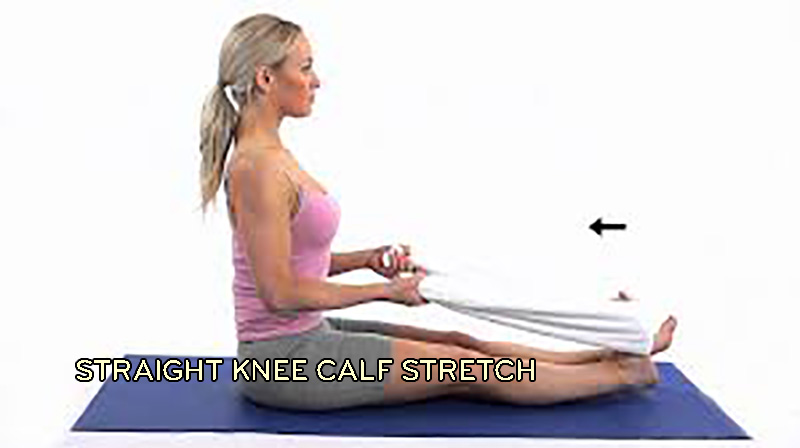
Position 1, straight knee calf stretch
-
Place the forefoot on the incline and keep the heel down.
-
Keep the knee mostly straight, not locked hard.
-
Keep your hips square and your foot stable.
-
Hold the stretch while breathing slowly.
If you feel the stretch mostly in the foot or ankle joint, reduce the angle and focus on keeping the heel heavy.
Position 2, bent knee calf stretch
-
Keep the same foot setup with the heel down.
-
Bend the knee slightly while keeping the torso relaxed.
-
Aim for a deeper, lower calf sensation.
-
Hold steadily without bouncing.
This position is often where people cheat by letting the heel lift. If the heel lifts, lower the angle until you can keep it planted.
Angle Tips That Make Stretching Safer and More Effective
Angle choice is where most people go wrong. Too steep too soon can feel intense, but it often reduces consistency and can irritate sensitive tissues.
Start with a comfortable incline
A comfortable incline is one that lets you:
-
keep your heel down
-
keep the foot stable without rolling inward
-
breathe calmly while holding the position
If you cannot do those three things, the angle is too steep.
Progress gradually
Instead of jumping to the steepest angle, progress in small steps:
-
increase hold time
-
add an extra set
-
slightly increase angle only when the current angle feels controlled
This approach builds consistency, which is what actually improves mobility.
Simple Routine You Can Repeat
Consistency beats intensity. This routine is short enough to do most days.
Basic routine
-
Straight knee hold, 30 to 45 seconds
-
Bent knee hold, 30 to 45 seconds
-
Repeat 2 to 4 rounds per leg
-
Do it 4 to 6 days per week
If you are very tight, start with shorter holds and fewer sets. The goal is to build the habit first.
Common Mistakes
Letting the heel lift
If the heel lifts, the stretch changes and often becomes less effective. Lower the angle and rebuild control.
Collapsing the foot inward
If the arch collapses and the ankle rolls inward, you may feel discomfort in the foot instead of a clean calf stretch. Keep the foot stable and reduce the angle if needed.
Forcing pain
Stretching should feel strong, but not sharp. If you feel sharp pain, pinching, or irritation near the Achilles, back off the angle and intensity.
How to Choose a Calf Muscle Stretcher Tool
Most people do well with a stable angled platform. The label matters less than the design.
Stability and non-slip grip
The tool should not slide on the floor and your foot should not slide on the surface. If you feel unstable, you will tense up and the stretch will be less effective.
Surface size
A larger surface is usually easier to use, especially if you want a relaxed position. Small ramps can still work, but may feel cramped for larger feet.
Fixed vs adjustable angle
Fixed angle options are simple and often durable. Adjustable options are useful if you want:
-
gentle progression over time
-
one setup for multiple people
-
a tool that supports both stretching and training prep
Frequently Asked Questions
Is a calf muscle stretcher different from a calf stretcher
Most of the time, no. People use both phrases to describe the same kind of tool and goal. The more important difference is the position you use, straight knee vs bent knee.
How long does it take to see results
Some people feel immediate relief, but real mobility improvements usually come from consistency over weeks. Short sessions done often work better than rare long sessions.
Can this help squat depth
It can help if calf tightness limits ankle movement. Many people find that consistent calf stretching supports a more stable bottom position in squats.
Final Thoughts
A calf muscle stretcher is less about a special product and more about a repeatable setup. Using a slant board with a comfortable angle allows you to keep the heel down and work both straight knee and bent knee positions more effectively. As calf flexibility improves, tools like a squat wedge often feel more stable to use in training. Keep sessions short, progress gradually, and focus on control to support smoother ankle movement and better lower-body mechanics over time.