
Wooden Slant Board: Pros, Cons, and Who It’s For
A wooden slant board is a popular choice for people who want a stable, durable incline platform for stretching, mobility work, and sometimes even loaded training. Compared to many foam or plastic options, wood often feels more solid underfoot. That can matter a lot if you use the board frequently, prefer a “firm” surface, or plan to use it beyond light stretching.
This page breaks down what a wooden slant board is, why people choose it, the real pros and cons, what angles make sense, and what to look for before you buy.
What Is a Wooden Slant Board
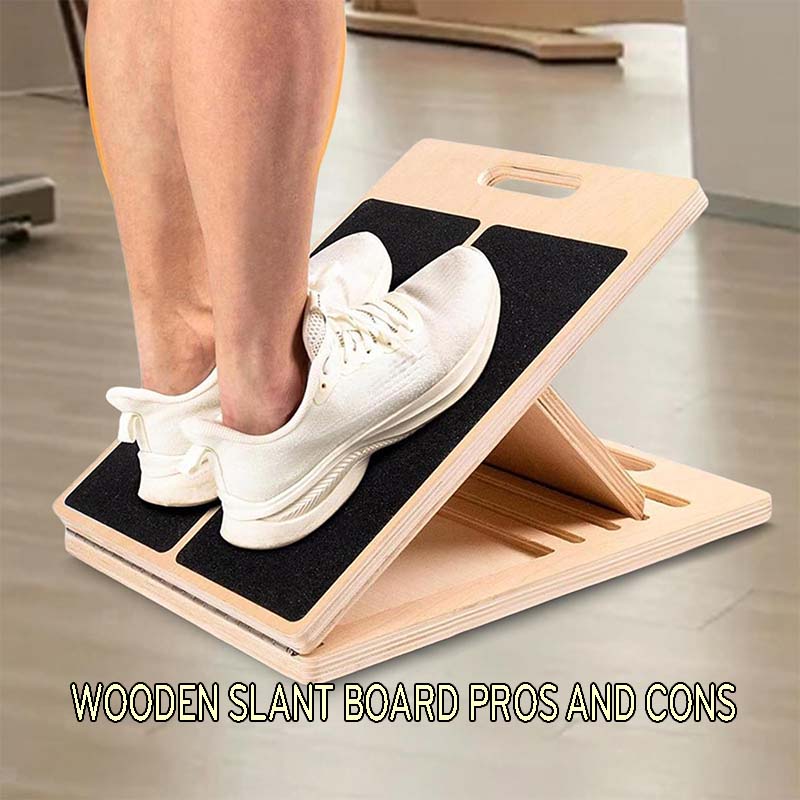
A wooden slant board is an angled platform made primarily from wood. Functionally, it is still a slant board, meaning it elevates your feet at a fixed or adjustable incline. The difference is the material and how it tends to feel in use.
A typical wooden slant board is used for:
-
calf stretching and ankle mobility work
-
warm-ups and movement preparation
-
general lower-body mobility routines
-
squat setup support for some lifters
Some designs are a single fixed angle. Others allow multiple angles through adjustable slots or a multi-position stand.

Why People Choose a Wooden Slant Board
Most people do not pick wood because it looks nice, even though it often does. They pick it because it changes the “experience” of the tool.
It feels stable under load
Many foam wedges compress, and many lightweight plastic boards can shift or flex depending on the build. A wooden surface usually feels firm and predictable. That makes it easier to relax into a stretch or keep a stable foot during mobility drills.
It is often more durable long term
A well-built wooden slant board can last a long time, especially if it is used at home or in a gym environment where the tool gets repeated use.
It can handle more types of use
If you want one platform for both stretching and training support, wood can be a strong option. Many users like that they can use the same board for calf stretching and for heel elevation during certain squat variations, as long as the design is stable and the angle fits.
Wooden Slant Board Pros and Cons
Wood can be a great fit, but it is not automatically the best for everyone. Here is the realistic tradeoff.
Pros
-
Strong, stable feel underfoot
-
Often higher weight capacity than soft foam
-
Durable for frequent use
-
Can be used for both mobility work and training support
-
Typically easier to keep flat and steady on the floor
Cons
-
Less portable than foam or small wedges
-
Heavier and bulkier for travel
-
Can be slippery if the surface has no grip layer
-
Some designs can feel harsh if you prefer a softer surface
-
Quality varies, so build and finish matter
A wooden slant board is usually best when stability and long-term use are priorities. If you want something light and simple for occasional stretching, a smaller foam option might feel more convenient.
Best Angles for a Wooden Slant Board
Angle affects intensity more than material does. A wooden slant board is often purchased for stability, but you still need an angle that matches your goal.
Low incline, good for daily use
A mild angle works well for:
-
warm-ups
-
beginner calf stretching
-
gentle ankle mobility work
-
people who get tight quickly and want a routine they can keep
Moderate incline, the most common sweet spot
Moderate angles are popular because they create a noticeable stretch without feeling overwhelming. This range tends to be useful for:
-
consistent calf stretching
-
building ankle range of motion over time
-
people who want one board for multiple uses
Higher incline, more intense and more specific
A steep angle can feel effective, but it can also feel too intense, especially for the Achilles area. A higher incline is usually best for experienced users who know they tolerate it well and can keep the heel down without discomfort.
If you are unsure, choose an adjustable board or a moderate fixed angle. Consistency matters more than chasing the steepest option.
How to Use a Wooden Slant Board for Calf Stretching
The material is wood, but the stretching rules stay the same. The goal is a controlled stretch that you can repeat without pain.
Straight knee and bent knee positions
A simple way to cover the main calf tissues is to use both positions:
-
Straight knee hold to emphasize the upper calf
-
Slightly bent knee hold to emphasize deeper calf tissue
You do not need complicated variations. Two solid positions done consistently are enough for most people.
Suggested routine
A practical routine looks like this:
-
30 to 45 seconds per hold
-
2 to 4 sets per leg
-
4 to 6 days per week
Start with a comfortable angle. If the stretch is too intense, lower the angle or shorten the hold. A sustainable routine beats an aggressive routine.
Focus on foot stability
Wood often feels firm, which is good, but you still want a stable foot. Keep pressure through the whole foot and do not let the arch collapse. If you cannot keep the heel down, the angle is too steep for your current mobility.
Can You Train on a Wooden Slant Board
Some people use a wooden slant board for more than stretching, including heel elevation during squats. This can work, but it depends on the design.
When it can work well
A wooden board can support training setup if it is:
-
stable and non-slip
-
wide enough for secure foot placement
-
built to handle load without shifting
In this case, it can function similarly to a squat wedge setup, especially for controlled squats like tempo squats or goblet squats.
When you should not use it for loaded work
Avoid using a board for heavy training if:
-
the surface has poor grip
-
the base slides on your floor
-
the board wobbles
-
the angle feels unstable or pushes you forward
Safety and stability come first. If the tool does not feel locked in, use it for stretching only.
What to Look for When Buying a Wooden Slant Board
Wood boards vary a lot. These points matter more than brand names.
Non-slip top surface
A grip layer or textured surface helps prevent the foot from sliding, especially during longer holds. This is a major factor for comfort and safety.
Non-slip base
A stable base matters just as much as the top. If the board slides on tile or hardwood, it becomes frustrating and unsafe. Look for rubber feet or a non-slip bottom.
Build quality and finish
A good board should feel solid, with smooth edges and a clean finish. Rough edges, poor joints, or weak hinges are a red flag. If it is adjustable, the locking mechanism should feel secure at every angle.
Surface size
A larger surface is more forgiving and more versatile. It usually feels better for:
-
calf stretching
-
ankle mobility drills
-
split stance variations
Smaller platforms can work, but may feel cramped depending on foot size.
Fixed vs adjustable
Fixed boards are simple and often durable. Adjustable boards are useful if:
-
you want gradual progression
-
more than one person will use it
-
you want different angles for stretching and training support
Wooden Slant Board vs Foam or Plastic
This is a common decision point.
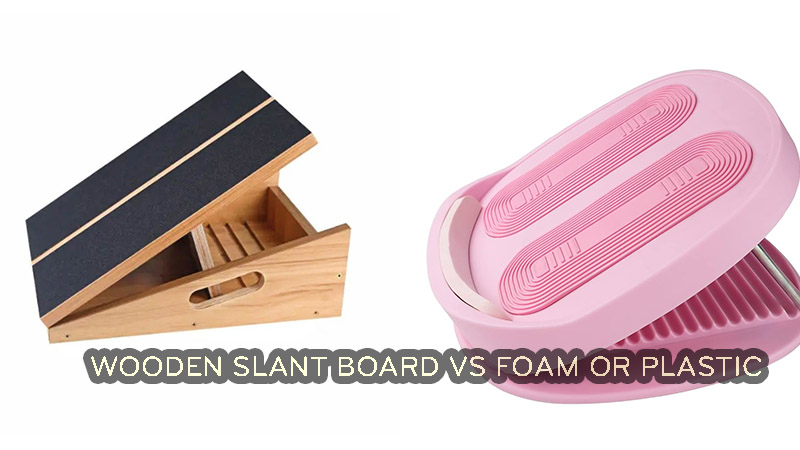
Choose wood if you want stability
Wood is often best if you care about:
-
firm footing
-
durability
-
heavier use
-
a tool that feels solid under load
Choose foam if you want comfort and portability
Foam can be useful if:
-
you want a lightweight tool
-
you stretch casually and travel
-
you prefer a softer feel underfoot
Choose plastic if you want light weight with structure
Plastic boards range from excellent to flimsy. The advantage is often portability, especially for users who want a simple calf stretcher for quick sessions. The downside is that some designs flex, slide, or feel unstable, which can limit their usefulness as a calf muscle stretcher for controlled holds. Focus on stability and grip, not the material label.
Common Mistakes to Avoid
Picking an angle that is too steep
A steep board can feel productive at first, then cause discomfort that ruins consistency. If you cannot hold the position with the heel down and calm breathing, the angle is too high.
Ignoring grip
Wood can be slippery without a proper surface. If your foot shifts, you will tense up instead of relaxing into the stretch.
Using it for heavy training without testing
Even if the board is wood, you should still test stability. Start with bodyweight and light loads before using it for any heavier work.
Frequently Asked Questions
Is a wooden slant board better than other types
It is better for stability and durability in many cases, but not automatically better for everyone. If you value portability or a softer feel, other materials can make more sense.
Is wood safe for calf stretching
Yes, as long as the board has proper grip and does not slide. Safety depends more on design and surface traction than the material itself.
Do I need an adjustable wooden slant board
Not always. A moderate fixed angle works well for most people. Adjustable boards are helpful if you want progression or multiple use cases with one tool.
Final Thoughts
A wooden slant board is a solid choice when you want a stable, repeatable setup for calf stretching and ankle mobility. Compared with lighter options like an incline board, a wooden design often feels more secure underfoot and easier to use consistently. With a comfortable angle, good grip, and short regular sessions, you can build meaningful improvements over time without needing the steepest or most expensive option.