When people search for incline board vs slant board, they are usually trying to understand whether these are two different tools or simply two names for the same type of equipment. Both terms appear frequently in training guides, rehab articles, and fitness content, which often leads to confusion.
This article explains the difference between an incline board and a slant board, how each is commonly used, and what actually matters when choosing one for stretching, ankle mobility, or squat preparation.
Are Incline Boards and Slant Boards Different
In many situations, the comparison of incline board vs slant board comes down to terminology rather than function. Both tools are angled platforms designed to place the foot on a slope and encourage ankle dorsiflexion.
The difference usually depends on:
-
the context in which the tool is used
-
how it is marketed
-
specific design features such as size, angle, and material
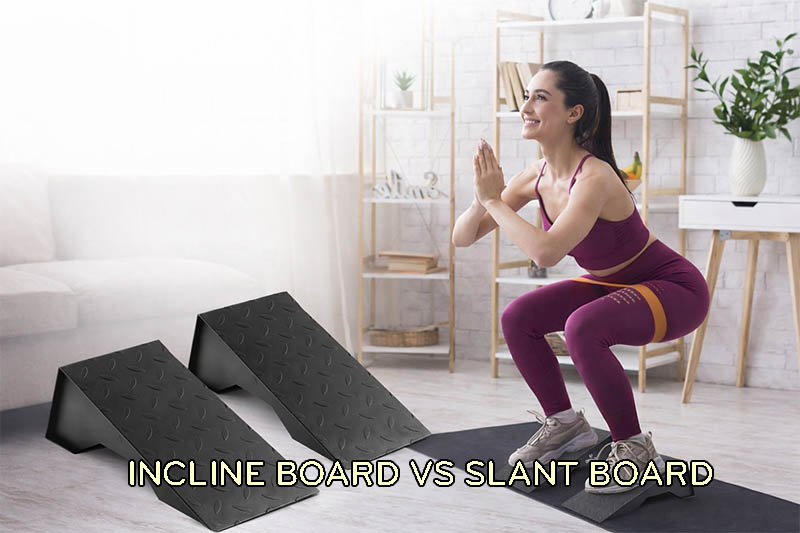
In rehab or physical therapy settings, incline board is the more common term. In strength training and gym environments, slant board is used more often.
Common Uses of an Incline Board
An incline board is typically associated with controlled mobility and stretching routines. The angled surface allows users to hold positions consistently and progress gradually.
Common uses include:
-
calf stretching routines
-
ankle mobility drills
-
warm ups before lower body training
-
rehab focused movement preparation
Because many incline boards offer adjustable angles, they are often chosen by people who want a progressive setup rather than a fixed position.
Common Uses of a Slant Board
A slant board is often discussed in fitness focused content. It is commonly used as a calf stretcher, a mobility tool, and sometimes as heel elevation support during squats.
Typical uses include:
-
calf stretching and calf muscle stretcher positions
-
ankle mobility work
-
squat warm ups
-
heel elevation similar to a squat wedge
In practical terms, the difference between incline board vs slant board becomes very small once you look at how the tool is actually used.
Incline Board vs Slant Board for Stretching
One of the main reasons people compare incline board vs slant board is calf stretching. Tight calves can limit ankle movement and reduce comfort in squats and daily movement.
Both tools work well for stretching when:
-
the heel can stay down
-
the surface feels stable
-
the foot has enough space to relax
Using both straight knee and slightly bent knee positions helps turn a basic calf stretcher into a more complete calf muscle stretcher setup.
Ankle Mobility and Daily Use
For ankle mobility, consistency matters more than intensity. Both tools can support mobility when used regularly and with control.
When deciding between incline board vs slant board for ankle mobility, focus on:
-
how stable the board feels on the floor
-
grip on the top surface
-
an angle that allows slow, controlled movement
A larger surface often makes mobility drills easier by supporting the entire foot.
Using Angled Boards for Squats
Some lifters use angled boards under the heels to make squats feel more upright. This use overlaps with what a squat wedge is designed for.
When using either option:
-
stability matters more than stretch intensity
-
moderate angles are usually better
-
both heels should be supported evenly
In this context, incline board vs slant board is less important than whether the setup feels balanced and secure during the squat.
Material and Construction
Material choice often affects how the board feels more than the name itself.
A wooden slant board is popular because it:
-
feels firm and stable
-
does not compress under bodyweight
-
holds up well over time
Foam or plastic boards can still work for stretching and mobility, but may feel less secure for heavier use.
Fixed Angle or Adjustable Design
Angle design plays a major role in comfort and progression.
Fixed angle boards:
-
are simple and durable
-
work well if you already know your preferred angle
Adjustable boards:
-
allow gradual progression
-
suit multiple users
-
support both stretching and squat preparation
When comparing incline board vs slant board options, angle flexibility can matter more than naming.
How to Choose the Right Tool
Instead of focusing only on incline board vs slant board as labels, use these criteria:
-
the surface fits your foot comfortably
-
the board does not slide
-
the angle allows heel contact
-
the material feels stable
-
the tool matches your main goal
If these points are met, either option can work well.
Final Thoughts
The debate around incline board vs slant board is largely about wording. In real use, both tools can support calf stretching, ankle mobility, and squat preparation when they are stable and well designed.
Choosing a board that feels comfortable and easy to use consistently will produce better results than worrying about the name. Consistency and control matter more than labels.
