
Choosing the right squat wedge angle can make a big difference in how your squats feel. A good angle can help you stay balanced, reach depth with more control, and keep your heels down. A poor angle can make you feel unstable or pushed forward.
This guide explains what squat wedge angle really means, common angle ranges, how to choose the right degree for your body, and how to avoid mistakes that make wedges feel awkward.
What Squat Wedge Angle Means
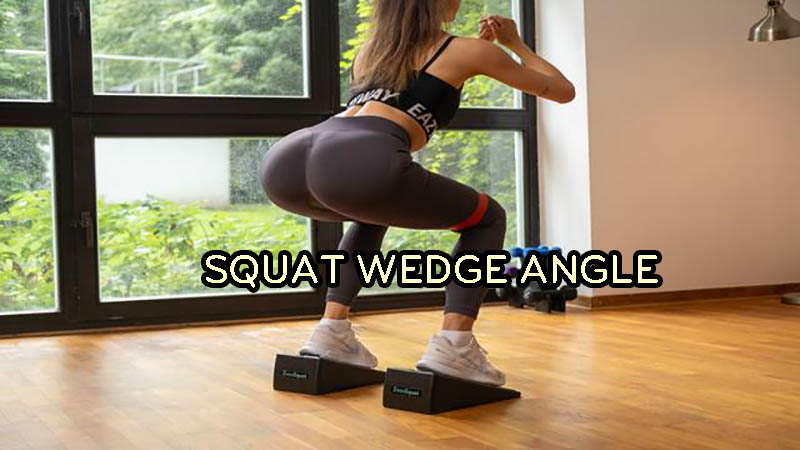
A squat wedge is an angled platform placed under the heels during squats. The squat wedge angle refers to how steep that platform is. Changing the angle changes how much your ankle needs to bend and how your body balances over the foot.
A higher angle reduces the demand on ankle mobility. A lower angle keeps the squat closer to your natural movement pattern. Neither is automatically better. The right choice depends on your mobility, squat style, and training goals.
Why Squat Wedge Angle Matters
The main reason people use a wedge is limited ankle mobility. Tight calves and stiff ankles can make it hard to keep heels down or stay upright at the bottom of a squat.
A well chosen squat wedge angle can:
-
help you reach depth more comfortably
-
improve balance at the bottom position
-
reduce forward lean caused by ankle restriction
However, too much angle can also change your squat mechanics more than you want, which is why angle selection matters.
Common Squat Wedge Angle Ranges
Most squat wedges fall into a few practical ranges. Understanding these helps you choose a starting point.
Low angle, about 5 to 10 degrees
A low squat wedge angle provides gentle heel elevation. It works well if you already have some ankle mobility but want extra stability.
This range is useful when:
-
you feel slightly limited at depth
-
you want minimal change to squat mechanics
-
you prefer a more natural foot feel
Low angles are also easier to control and less likely to push you forward.
Moderate angle, about 10 to 20 degrees
This is the most common squat wedge angle range. Many lifters find it provides a noticeable improvement in depth without feeling extreme.
Moderate angles work well when:
-
ankles limit depth consistently
-
you want a more upright torso
-
you train goblet squats, front squats, or high bar squats
If you are unsure where to start, a moderate angle is often the safest choice.
Higher angle, above 20 degrees
A high squat wedge angle can make depth feel much easier, but it also changes balance more dramatically.
Higher angles may help if:
-
your ankles are very stiff
-
you struggle to keep heels down even with lighter loads
They may cause problems if:
-
you feel pushed onto your toes
-
balance feels unstable
-
your squat pattern changes too much
High angles should be used carefully and tested with lighter loads first.
Squat Wedge Angle vs Other Tools
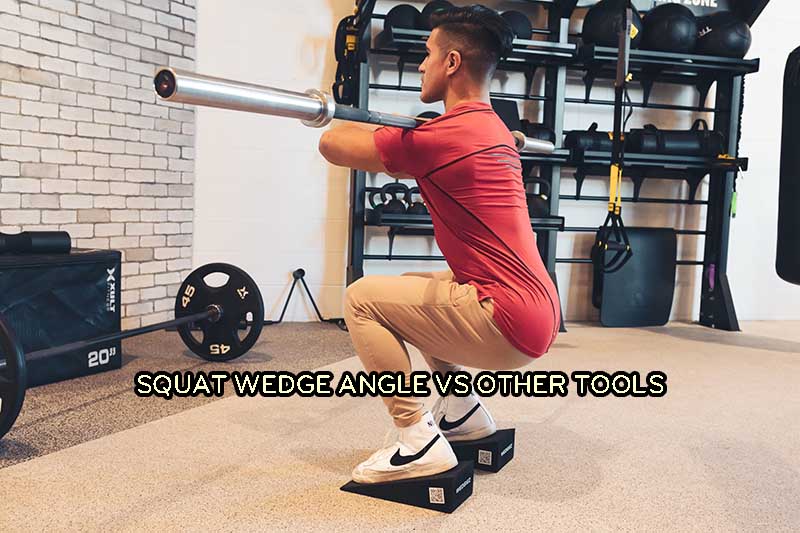
Heel elevation can be achieved in different ways. A squat wedge is only one option.
Some lifters use a slant board for heel elevation, especially if they already use it for mobility work. Others prefer a dedicated squat wedge because it is smaller and designed specifically for squatting.
If your main goal is ankle mobility and stretching, tools like a calf stretcher or calf muscle stretcher may address the root issue instead of compensating during squats.
How to Choose the Right Squat Wedge Angle
Choosing the best squat wedge angle is about finding the minimum angle that solves your problem.
Use the balance test
Set up on the wedge and perform slow bodyweight squats. A good angle allows you to:
-
keep your heels supported
-
stay balanced through the whole rep
-
reach depth without collapsing
If you feel forced forward or unstable, the angle is too steep.
Choose the minimum effective angle
More angle is not always better. If a smaller squat angle improves depth and balance, there is no need to go steeper.
Using the minimum effective angle helps keep your squat mechanics closer to normal and reduces reliance on the wedge.
Match angle to squat style
Different squat styles tolerate heel elevation differently. Many lifters find heel elevation helpful for:
-
goblet squats
-
front squats
-
high bar back squats
If your squat style already involves significant forward lean, a lower squat wedge angle may feel more natural.
Using Squat Wedges Alongside Mobility Work
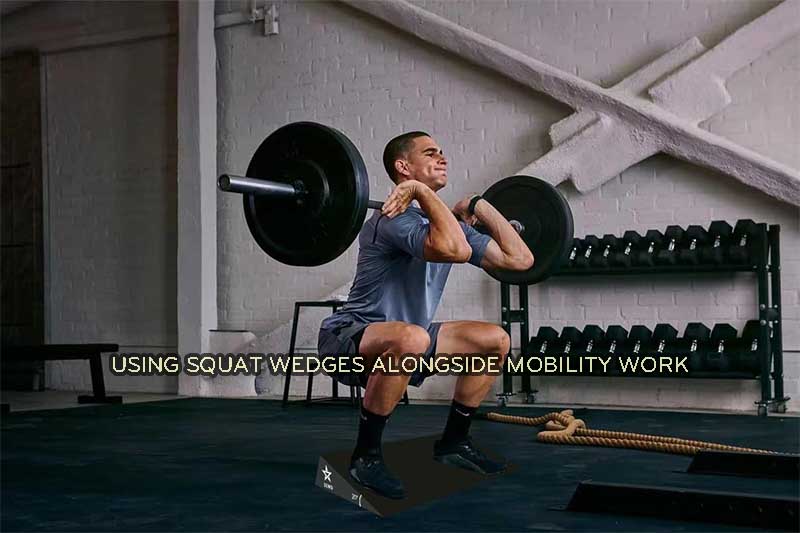
A squat wedge should support training, not replace mobility work. If ankle restriction is the real issue, consistent stretching matters.
Using a slant board or incline board for ankle mobility and calf stretching can reduce how much heel elevation you need over time. This is especially useful if you rely on wedges heavily.
Long term, combining mobility work with the right squat wedge angle often produces better results than using either alone.
Material and Stability Considerations
The angle is important, but so is how the wedge feels underfoot.
A stable wedge should:
-
not compress under load
-
not slide on the floor
-
support both heels evenly
Some lifters prefer wedges made from firm materials or even a wooden slant board style surface for extra stability. If the wedge feels unstable, even a good angle will feel bad.
Common Mistakes with Squat Wedge Angle
Many issues come from a few common mistakes.
Choosing the steepest option
Steeper wedges look impressive but often create balance problems. Start lower and work up only if needed.
Ignoring foot stability
A wedge does not fix poor foot control. Keep pressure through the whole foot and avoid letting the arch collapse.
Relying on wedges instead of mobility
A squat wedge angle can help you squat today, but long term improvement still comes from addressing ankle and calf mobility.
Final Thoughts
The right squat wedge angle improves stability and depth without forcing your squat into an unnatural position. Start with a moderate angle, test it with slow reps, and choose the smallest angle that solves your problem. Use wedges as a tool, not a crutch. Combine them with ankle mobility and calf stretching, and you will build better squats with more confidence over time.
