
Squat Wedge Guide: Benefits, Best Angle, and How to Use It
A squat wedge is one of the simplest ways to make squats feel smoother, deeper, and more stable, especially if your ankles limit your depth. By elevating the heels, a wedge changes ankle positioning so your knees can travel forward more comfortably and your torso can stay more upright.
This page explains what a squat wedge is, how it helps, what angle works best, how to use it safely, and how to choose a wedge that fits your training goals.
What Is a Squat Wedge?
A squat wedge is a small angled platform placed under the heels during squats or other lower-body movements. The main purpose is to reduce ankle mobility restrictions during the movement by changing the starting angle of the ankle.
Most squat wedges are:
-
fixed-angle (common and simple)
-
made from foam, rubber, plastic, or wood
-
used in pairs (one wedge per foot) or as a single platform
If you are looking for a more versatile tool for both squatting and stretching, a slant board can often do the same job and more.

How a Squat Wedge Helps Squat Depth and Form
Heel elevation changes the mechanics of the squat in a predictable way. For many lifters, it helps remove the ankle as the bottleneck so the rest of the movement can work as intended.
More forward knee travel with less limitation
If your ankles struggle to dorsiflex, your body will often compensate by leaning forward or lifting the heels. A squat wedge creates an incline that helps the knees move forward more easily without forcing the heels up.
A more upright torso for many squat styles
A more upright torso can feel more natural for front squats, high-bar squats, and goblet squats. Many lifters notice that their bottom position feels more stable when heel elevation reduces the fight for balance.
A cleaner learning tool for beginners
Beginners often benefit because the wedge makes it easier to feel the correct positions. It is not a replacement for mobility work, but it can make training more productive while you improve your range over time.
Squat Wedge vs Weightlifting Shoes
This is a common question, and the answer depends on your goal.
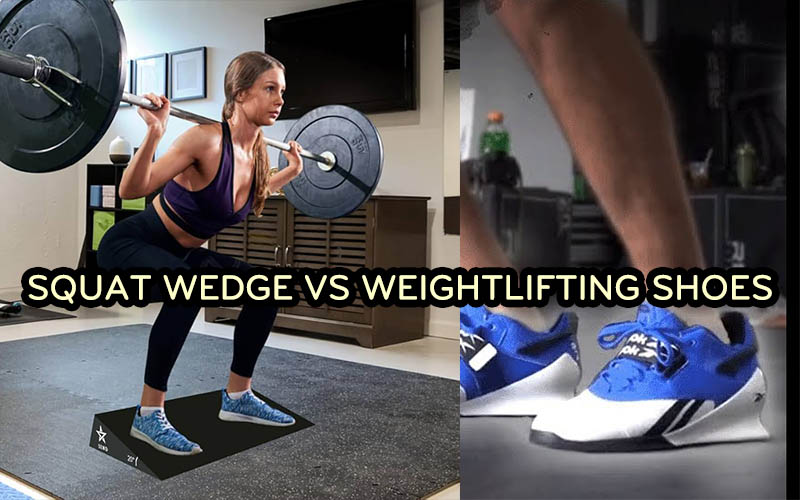
When a squat wedge is a better choice
A wedge can be cheaper and easier to test. It is also removable, so you can adjust your setup quickly and use it for other movements.
A wedge is a good option if you:
-
want heel elevation only for certain sessions
-
train at home or share equipment
-
want to experiment with angles
When weightlifting shoes may be better
Weightlifting shoes provide a stable heel lift that you wear for the entire session. They can feel more consistent across multiple lifts and warm-ups.
Shoes may be better if you:
-
train Olympic lifts regularly
-
want a stable platform for heavy work
-
prefer not to manage separate equipment
Many people use both. A wedge is a simple starting point, and shoes can be a long-term investment.
Best Squat Wedge Angle (Degrees)
Angle matters because it changes how much assistance you get from heel elevation. There is no perfect angle for everyone, but there are practical starting points.
Common squat wedge angles
-
About 10 to 15 degrees
Good for mild support. Often works well if you already have decent ankle mobility and want a small boost. -
About 16 to 20 degrees
A common middle ground. Helps many lifters reach depth without feeling unstable. -
About 20 to 25 degrees and higher
Strong heel elevation. Can be useful if ankles are very limited, but it may feel too steep for some lifters and can change the squat pattern more dramatically.
A simple way to choose your angle
Start with a moderate incline. If you can squat deeper with better balance and without discomfort, you are in the right range. If the wedge feels like it pushes you too far forward, go lower. If it does not help at all, go slightly higher.
If you want a tool that can cover multiple angles for squats and stretching, consider an adjustable slant board.
How to Use a Squat Wedge Properly
A wedge is easy to use, but setup matters.
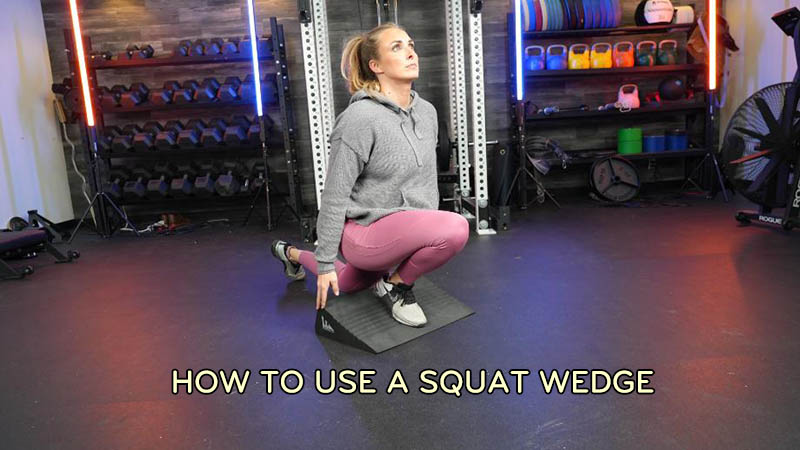
Step 1, place the wedge under your heels
Your heels should be fully supported. Avoid setups where the heel hangs off the back edge.
Step 2, keep a stable foot position
Keep the foot tripod. That means pressure through the big toe, little toe, and heel. Do not let the feet collapse inward.
Step 3, use the wedge for the right exercises
Common uses include:
-
back squats (especially high-bar)
-
front squats
-
goblet squats
-
split squats
-
tempo or pause squats for control
Step 4, do not treat it as a shortcut
A wedge can help you train better today, but mobility improvements still come from consistent work. You can combine wedge training with ankle drills and calf stretching routines.
Squat Wedge vs Slant Board
A squat wedge is usually more compact and focused on squatting. A slant board is often larger and more versatile, making it useful for stretching and rehab-style mobility work.
Choose a squat wedge if you:
-
mainly want heel elevation for squats
-
want something small and portable
-
prefer a simple fixed-angle tool
Choose a slant board if you:
-
want both squatting and stretching in one tool
-
want more foot space for stability
-
plan to use it as a calf stretcher as well
How to Choose a Good Squat Wedge
Not all wedges feel the same. Prioritize safety and stability before anything else.
Stability and grip
Look for a wedge that does not slide. A textured surface and a non-slip base matter a lot, especially on smooth floors.
Firmness and load support
Soft foam can compress under heavy loads. That may be fine for light training, but many lifters prefer firmer materials for stability.
Size and heel support
Make sure the wedge supports your heel fully. If your foot is large, a wider wedge or a single platform may feel better.
Material choices, including wood
Wood can feel very stable. If you are also interested in a wooden platform, check the wooden slant board guide.
Frequently Asked Questions
Do squat wedges actually improve ankle mobility?
A wedge does not directly increase mobility on its own. It changes the position so you can squat better while you work on mobility separately. Pair wedge use with consistent ankle and calf work for best results.
Can I use a squat wedge every time I squat?
Yes, if it helps and you feel stable. Some lifters use it as a training tool, others prefer to gradually reduce reliance as mobility improves. Both approaches can work.
Is a squat wedge safe for knees?
For many people, a wedge can make squats feel better by improving mechanics. If you have knee pain, start with light loads and controlled reps. If pain persists, get advice from a qualified professional.
Final Thoughts
A squat wedge is a simple tool, but it can make a real difference when ankle mobility limits your squat. Used correctly, it helps you stay balanced, reach depth with more control, and train with better consistency. Start with a moderate angle, keep your foot stable, and progress gradually. Most importantly, treat it as support, not a shortcut. Combine wedge work with steady ankle and calf mobility, and you will build better squats now and stronger movement quality over time.