Calf Stretcher: How to Stretch Safely (Angles, Holds, Routine)
A calf stretcher is one of the most practical tools for improving ankle mobility and reducing calf tightness. If your calves feel stiff, your ankles feel “blocked,” or your squat depth is limited, consistent calf stretching can help. The biggest challenge is not knowing what to do. It is doing it often enough, with a setup that is safe and repeatable.
In this guide, you will learn what a calf stretcher is, how it works, which stretches matter most, how to use angles correctly, and how to choose the right option for your goals.
What Is a Calf Stretcher?
A calf stretcher is any tool that helps you place your foot in a controlled incline so you can stretch the calf muscles and Achilles tendon more consistently. Many people think of a calf stretcher as a single-purpose product, but in practice, a stable angled platform is often all you need.
Common calf stretcher styles include:
-
angled stretch boards (often called slant boards)
-
step-style stretch ramps
-
foam wedges
-
adjustable incline platforms
You may also see the term calf muscle stretcher. Most of the time, it refers to the same idea, stretching the calf muscles with a consistent setup.

Why Calf Stretching Matters for Mobility and Training
Tight calves can affect more than just flexibility. They can change how you walk, how you squat, and how your ankles load under training.
Better ankle range of motion
When the calf muscles and Achilles tendon are stiff, ankle dorsiflexion can feel limited. That can show up as heels lifting, knees collapsing inward, or feeling unstable at the bottom of a squat.
Smoother squats and lunges
Improving calf flexibility often makes it easier to keep the foot planted and maintain balance. This can support more consistent squat depth and cleaner movement patterns.
Less “tightness” during daily life
Some people notice reduced morning stiffness, less pulling at the Achilles, and more comfortable walking after building a simple daily stretching habit.
Calf Stretcher vs Calf Muscle Stretcher
These terms are closely related, but there is a useful way to think about them.
-
Calf stretcher is the broader term. It describes the tool and the general purpose.
-
Calf muscle stretcher is usually a narrower phrasing that focuses on stretching the muscle tissue itself.
In real-world use, most people mean the same setup. What matters more is whether you are stretching the right area and using a position that matches your goal.
Which Calf Muscle Are You Stretching?
Your calf is mainly made of two muscle groups, and they respond best to slightly different positions.
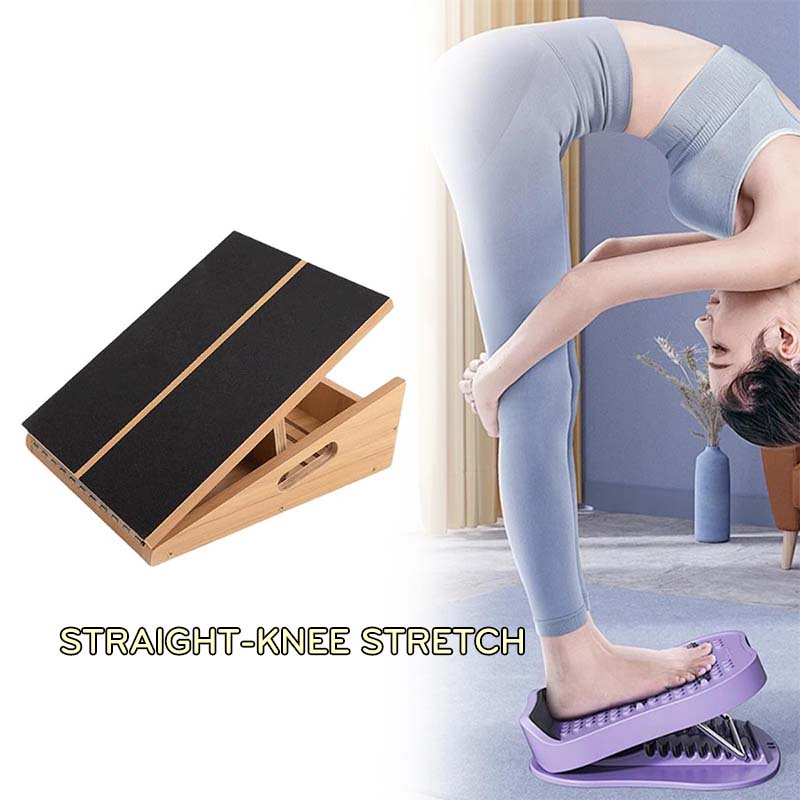
Gastrocnemius, straight-knee stretch
The gastrocnemius crosses the knee joint, so it tends to stretch best when the knee is straighter.
Use this when you want:
-
a strong upper-calf stretch
-
support for ankle mobility that shows up during walking and running
Soleus, bent-knee stretch
The soleus does not cross the knee in the same way, so it often stretches better with a slight bend in the knee.
Use this when you want:
-
a deeper lower-calf stretch
-
support for squat patterns where the knee moves forward
A simple routine includes both versions. Straight knee, then bent knee.
How to Use a Calf Stretcher Correctly
A calf stretcher is easy to use, but technique matters.
Step 1, choose a comfortable angle
Start with a mild to moderate incline. If it feels too intense, you will avoid it. Consistency is more important than intensity.
Step 2, keep your foot stable
Keep the whole foot in contact with the surface. Do not let the foot roll inward. A stable foot makes the stretch more effective and reduces strain.
Step 3, pick the right stretch position
-
For a straight-knee stretch, keep the knee mostly straight and focus on a long calf line.
-
For a bent-knee stretch, bend the knee slightly and keep the heel planted.
Step 4, breathe and relax the lower leg
Avoid bouncing. A steady hold with calm breathing usually works better than aggressive forcing.
Best Calf Stretcher Angles and How Long to Hold
There is no perfect angle for everyone, but you can use simple ranges.
Practical angle ranges
-
Low incline: good for beginners and daily use
-
Moderate incline: useful for most people who want real stretching progress
-
High incline: can be effective, but it becomes intense quickly and may irritate sensitive Achilles tissue
If you are unsure, start moderate and adjust from there.
A simple routine that works
Try this as a baseline:
-
2 to 4 sets per leg
-
30 to 45 seconds per hold
-
one straight-knee set, one bent-knee set
-
4 to 6 days per week
This routine is short, repeatable, and realistic.
Common Mistakes That Make Calf Stretching Less Effective
Going too hard too soon
If you stretch at maximum intensity, you may flare up the Achilles or feel sore in a way that makes you stop. Start easier and progress.
Letting the heel lift
If the heel lifts, you lose the main purpose of the stretch. Reduce the angle and focus on keeping the heel down.
Turning the foot out excessively
A slight natural toe angle is fine, but extreme turnout can shift the stretch into the foot and ankle in a way that feels uncomfortable. Keep a neutral stance unless you have a specific reason.
Doing it once per week
The calf and Achilles respond best to frequent exposure. Short sessions done consistently beat long sessions done rarely.
Calf Stretcher vs Slant Board
Many people use a slant board as their calf stretcher because it provides a stable incline and can also support other training goals. A dedicated calf stretcher can work well too, but the difference often comes down to versatility and build.
A slant board can be useful if you also want:
-
a stable incline for squat setup work
-
a platform for split squat variations
-
an all-in-one tool for mobility and training prep
A dedicated calf stretcher can be useful if you want:
-
a simple, lightweight option
-
a tool that is only used for stretching
If you prefer something that can handle heavy use and feels very stable, you may also consider a wooden platform design.
How to Choose the Right Calf Stretcher
Here is what matters most when buying or selecting a setup.
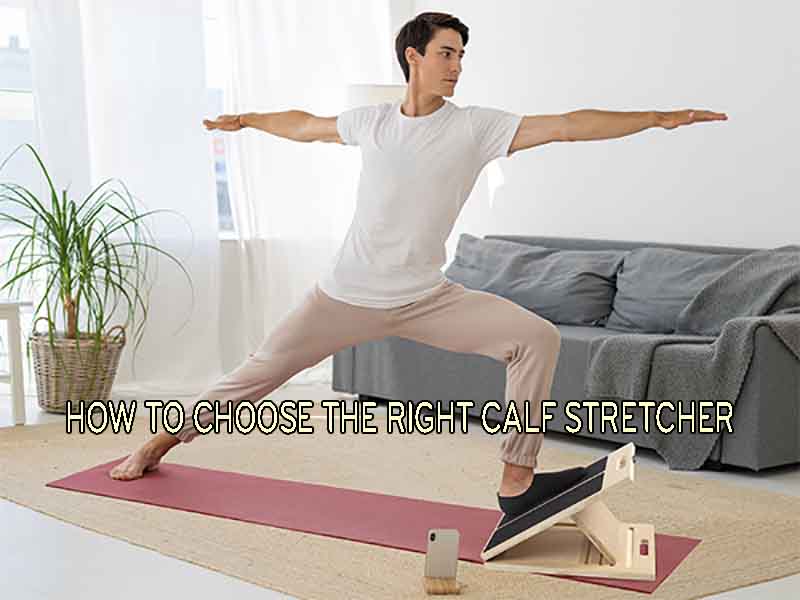
Stability first
The tool should not slide or wobble. This matters for safety, especially if you stretch on smooth floors.
Surface grip
A non-slip top surface helps you relax into the stretch without feeling like your foot is drifting.
Angle options
Fixed-angle designs are simple and effective. Adjustable options are helpful if multiple people will use it, or if you want to progress gradually.
Size and comfort
Make sure the surface fits your foot comfortably. Too small can feel awkward and can reduce consistency.
Frequently Asked Questions
How often should I use a calf stretcher?
Most people do best with short, consistent sessions. Four to six days per week works well for many. If you are very tight, daily light stretching can be fine.
Is calf stretching good for squat depth?
It can help if ankle dorsiflexion is a limiter. Calf stretching is not the only factor, but it is one of the most common bottlenecks.
Should stretching feel painful?
It should feel strong, but not sharp. If you feel pinching at the front of the ankle or sharp pain in the Achilles, reduce the angle and intensity.
Can I use one tool for both calf stretching and squat setup?
Yes. Many people use an angled board for both. The key is stability and choosing an angle that fits the goal.
Final Thoughts
A calf stretcher is a simple way to make mobility work more consistent. With a stable setup, regular short sessions can gradually improve calf flexibility and ankle movement. As mobility improves, tools like a squat wedge often feel easier to use, helping training feel more stable and controlled over time.